Kurd Olia Waterfall: A Hidden Natural Gem Near Isfahan
Table of Contents
Natural Attractions of Isfahan: Beyond the Ancient Buildings
Isfahan, in addition to its many historical attractions and ancient buildings, has many natural attractions that the word (half of the world) is a worthy title for this city.
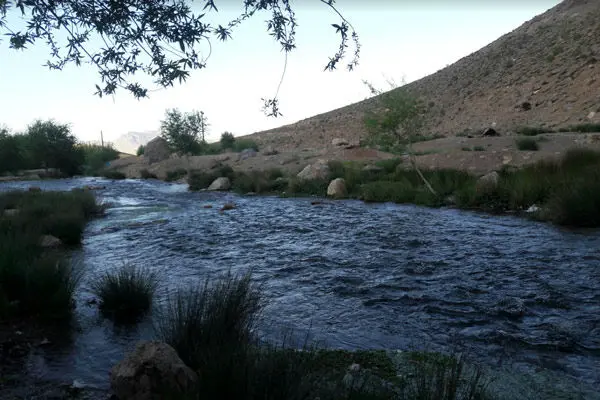
Today we are going to go sightseeing around Isfahan and among the natural sights around this city such as; Numerous villages, springs, deserts and waterfalls, let’s visit the beautiful Kurd Olia waterfall.
Kurd Olia Waterfall in Isfahan
At the beginning of this article, we want to explain the geological formation of the waterfall.
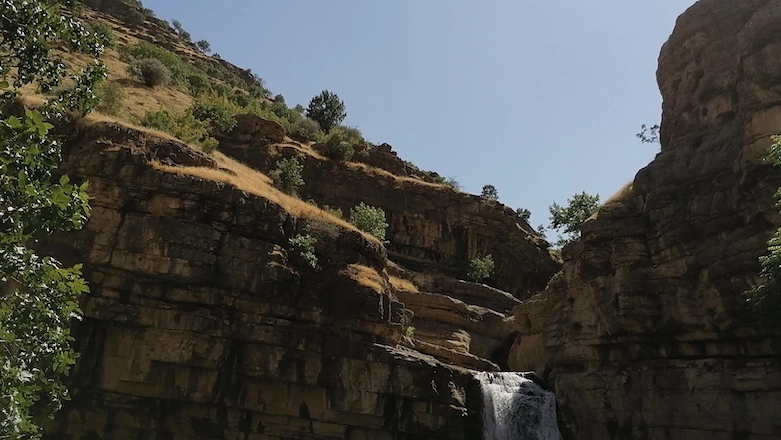
Water flows along its path and first passes through hard, resistant rocks and then reaches softer rocks with lower strength. Over time, erosion wears away the soft rocks while the harder layers remain intact, creating a sudden change in elevation — and thus, a waterfall is born.
Location and Features of the Waterfall
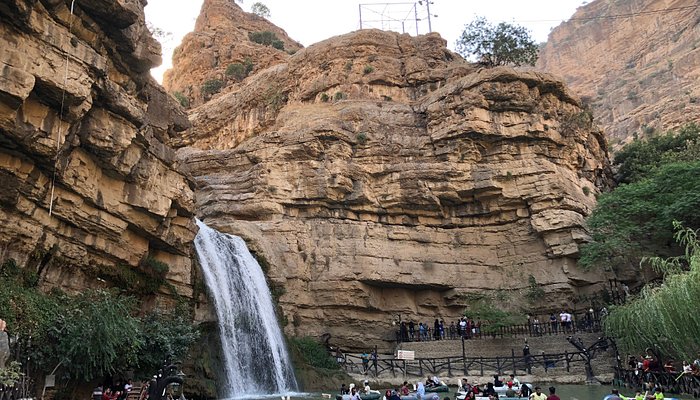
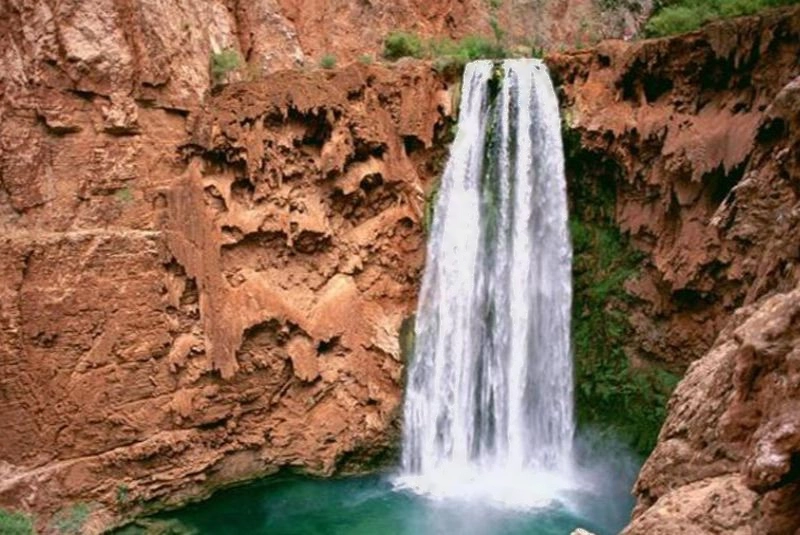
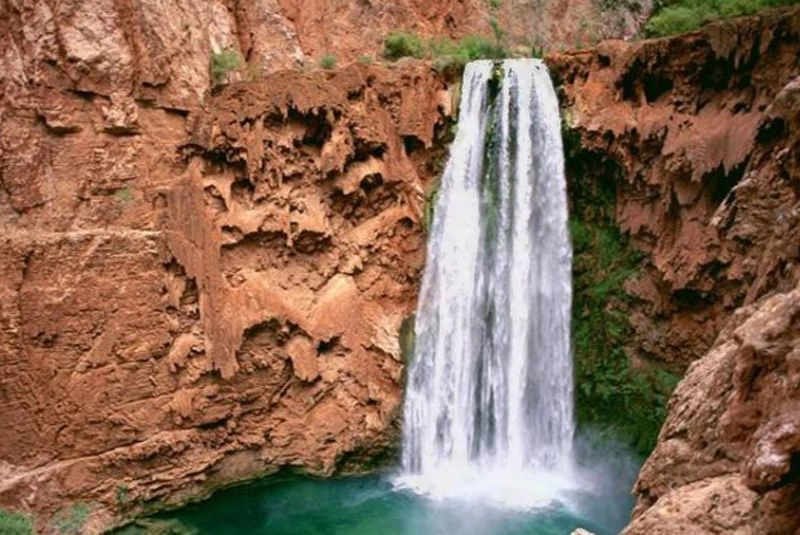
Kurd Olia waterfall with a height of about 50 meters is one of the most spectacular places and one of the highest waterfalls in Iran, which is located 95 km west of Isfahan and north of the Kurd Olia or Bala Kurd village of Tiran and Kron in the Dalankooh heights.
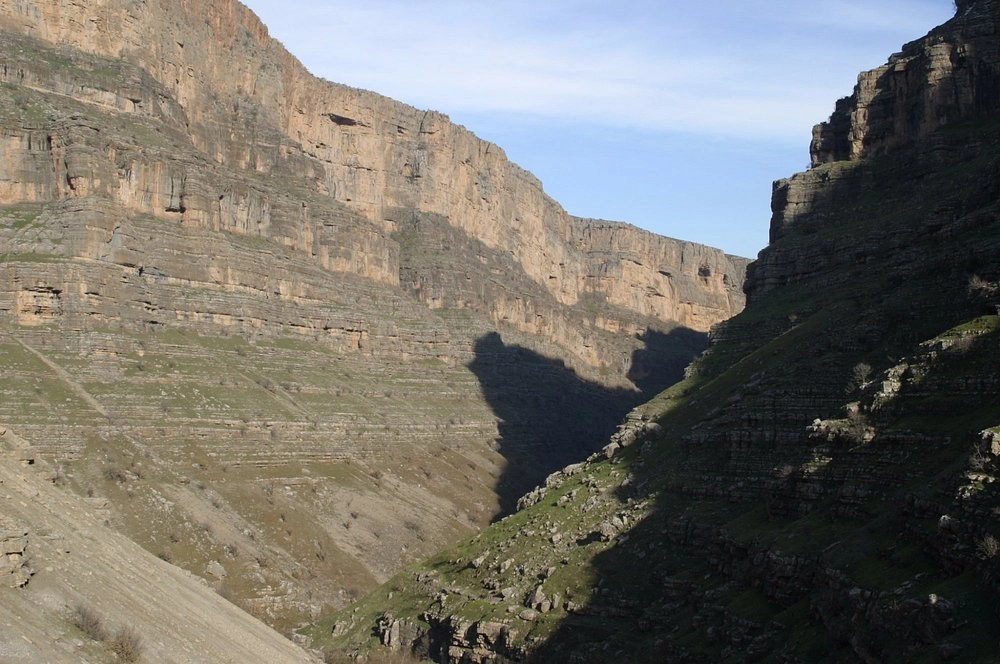
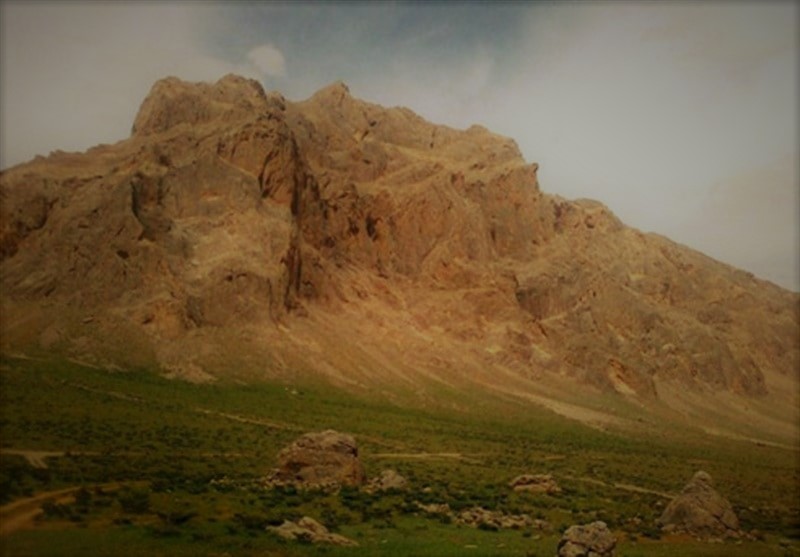
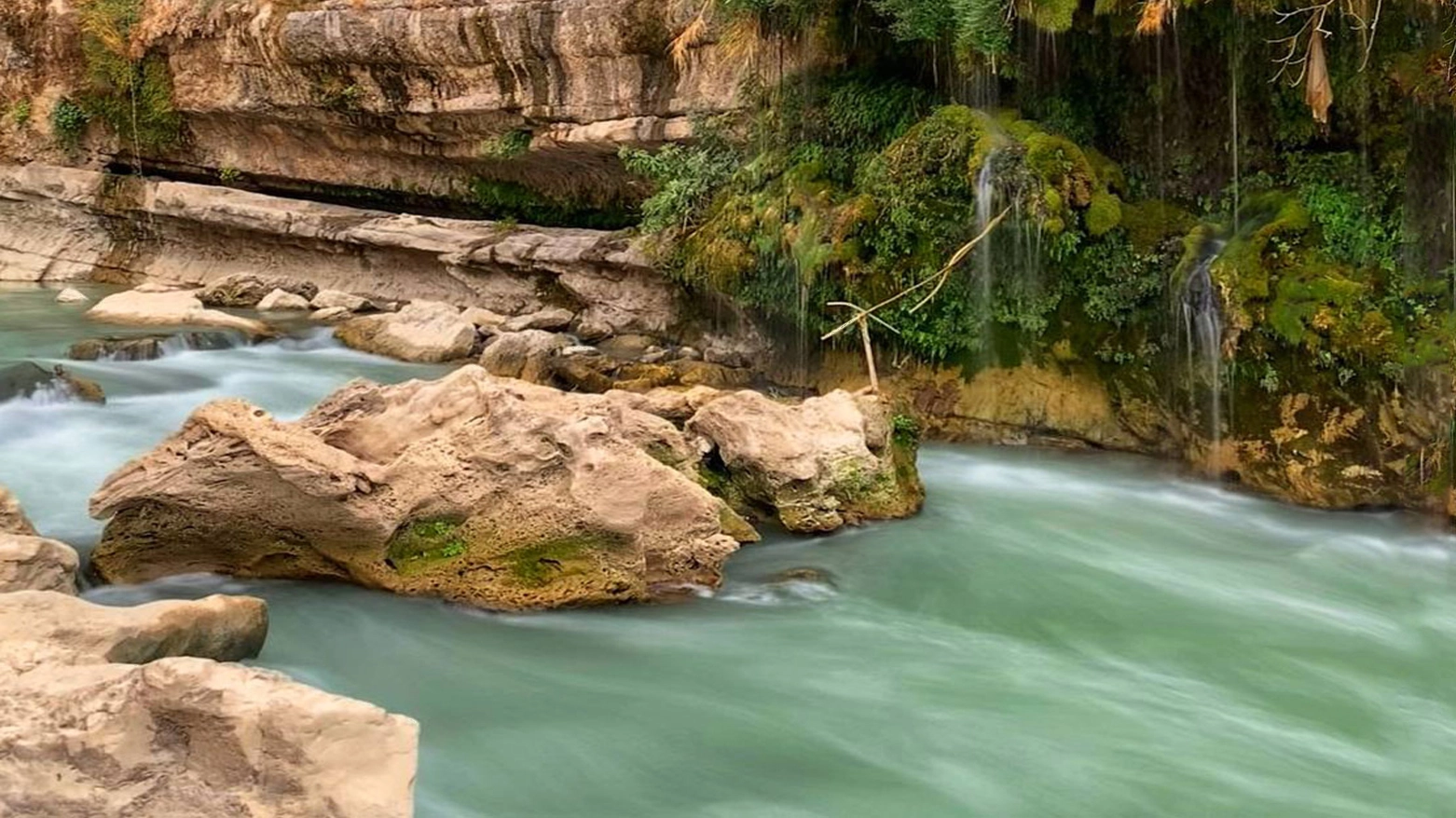
In the west of Najafabad there is the Dalankuh mountain range, with nature full of many wonders. The spectacular and beautiful Kurd Olia waterfall is formed by the melting of the snow of Dalankooh mountain range.
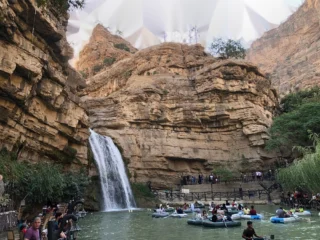
Water pouring into a azure pit and splashing small, cool drops of water on the skin and the life-giving breeze from the waterfall are undoubtedly one of the most unique moments that happens to anyone who visit this fascinating natural effect.
Also, stepping on the sand around this waterfall and the water that collects at the bottom of it brings a pleasant and indescribable experience. Numerous springs and scenery around the waterfall alone are very spectacular and entertaining.
The Best Time to Visit Kurd Olia Waterfall
Kurd Olia waterfall can be considered as one of the seasonal waterfalls because it reaches its maximum water level in the first half of spring.
With the warming of the weather and the approach of summer and the beginning of its hot days, this waterfall dries up. It is recommended to choose spring for sightseeing to enjoy it and the favorable weather in this area.
Kurd Olia Tourist Attractions
Kurd Olia Village and the Underground City
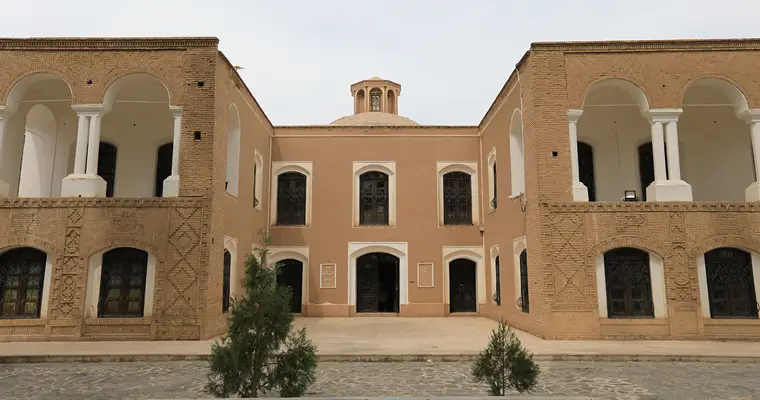
Kurd Olia Village is one of the historical settlements of Isfahan and a designated tourism destination.
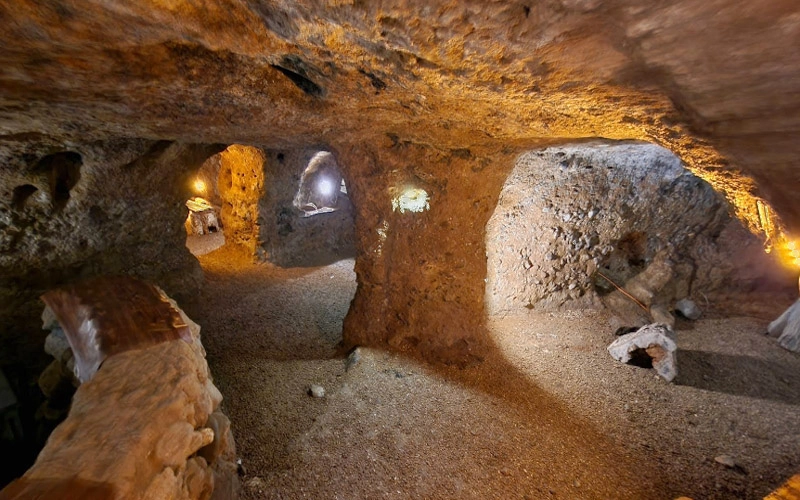
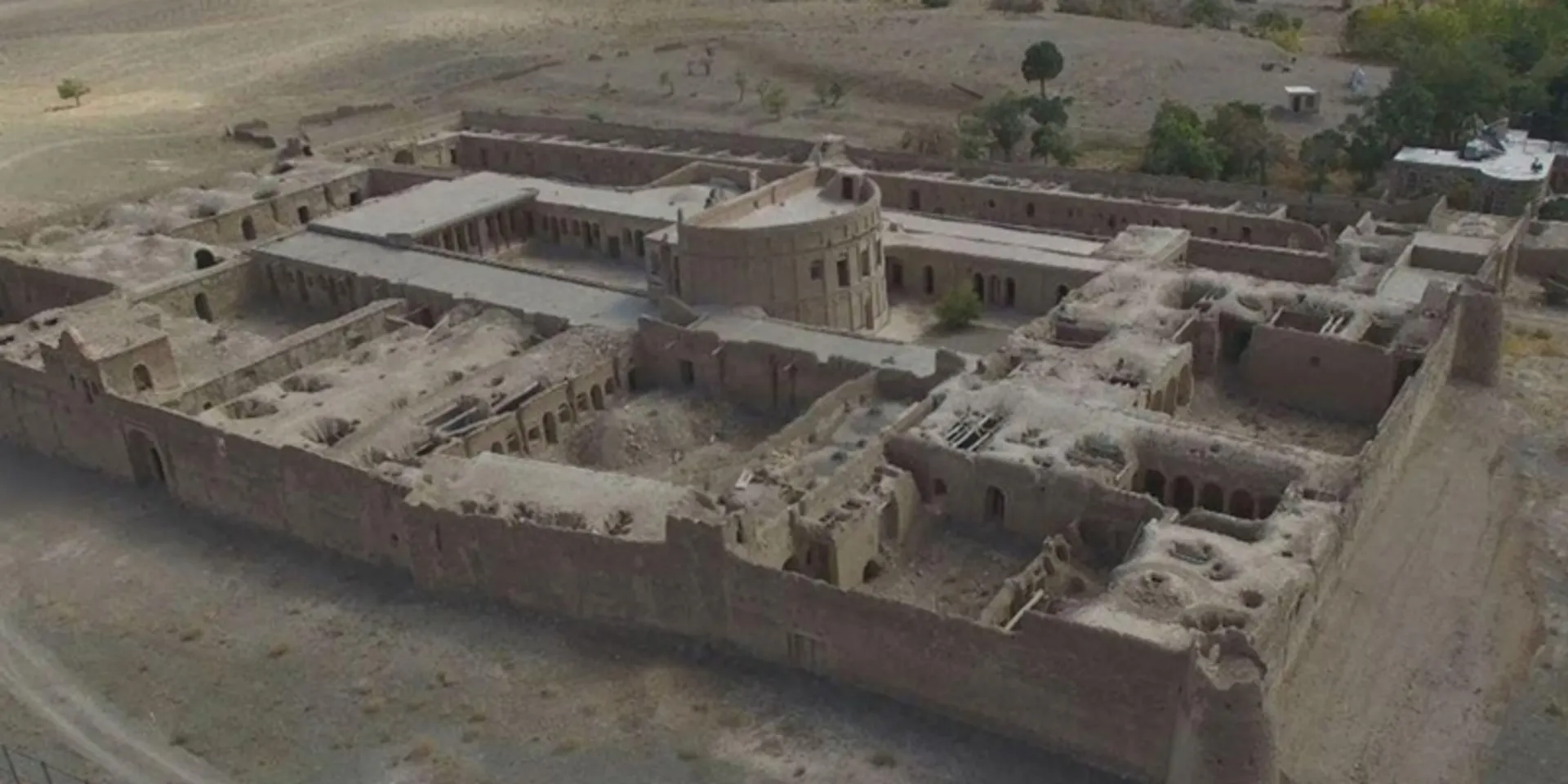
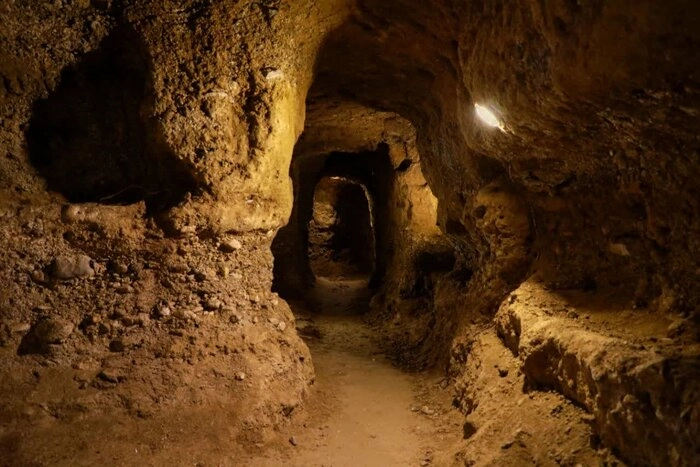
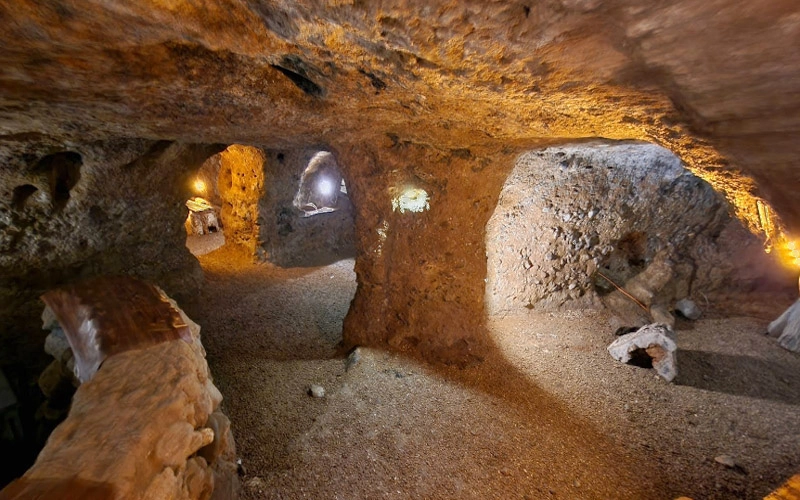
What distinguishes this village is the presence of a remarkable underground city beneath it — one of the most unique subterranean complexes in the world. Covering approximately 29,000 square meters and located 8 meters below ground, the city is around 2,000 years old and dates back to the Parthian period. Its large rooms and halls likely served military and security purposes.
Historical Context of the Village
During the reign of Shah Abbas, Armenians migrated to Isfahan and settled in the Kurd Olia village and started agriculture and animal husbandry. At that time, due to the cold and unbearable winters and insecurity, they built barns for themselves and their cattle in their basements to live with wide corridors and nested rooms, which formed a total underground city.
After the migration of Armenians from this region, these devices were left unused. This underground city was discovered by the cultural heritage of Tiran in 1385 and was introduced as an ancient monument, and today many tourists travel to Isfahan and this historical village to see this very interesting and exciting city.
Kurd Olia village, in addition to being an underground city, which is estimated to be one of the largest underground cities in Iran, has:
springs
a royal lake
an Armenian cemetery
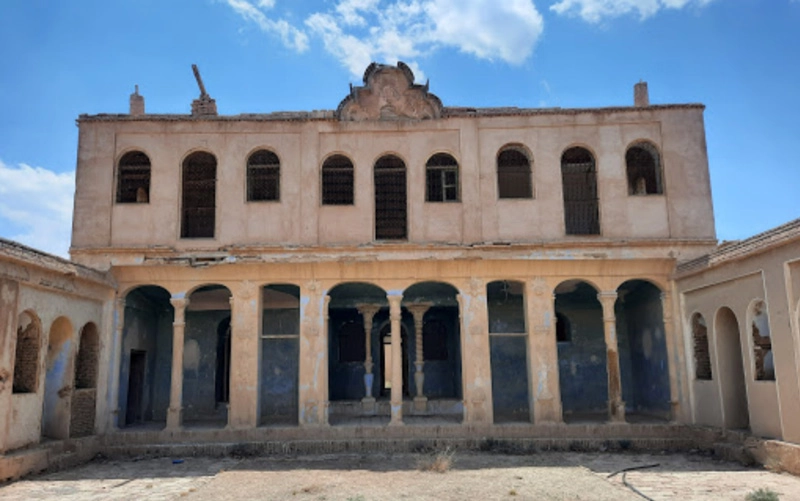
historic houses
The City of Tiran and Krone
It is one of the oldest cities of Isfahan province, which is full of green and heartwarming areas and is about 6,000 years old, which has been a human settlement in various ancient and historical periods.
And the reason for this is the existence of 6,000-year-old lithographs around the city of Tiran and Krone. In the past, this city has been considered as one of the summer areas by kings and government official in different historical periods.
Ghomishloo National Park
Near the city of Tiran and Kron, there is a protected area where all kinds of native animals live. The historical citadel of Qomishlo is also located in the same protected area and environmental officials protect them.
Among these animals living in this area, we can mention:
herds of wild rams and ewes
deer
whole and wild goats
snakes
hawks and golden eagles
partridges and tihu
Morghab Spring
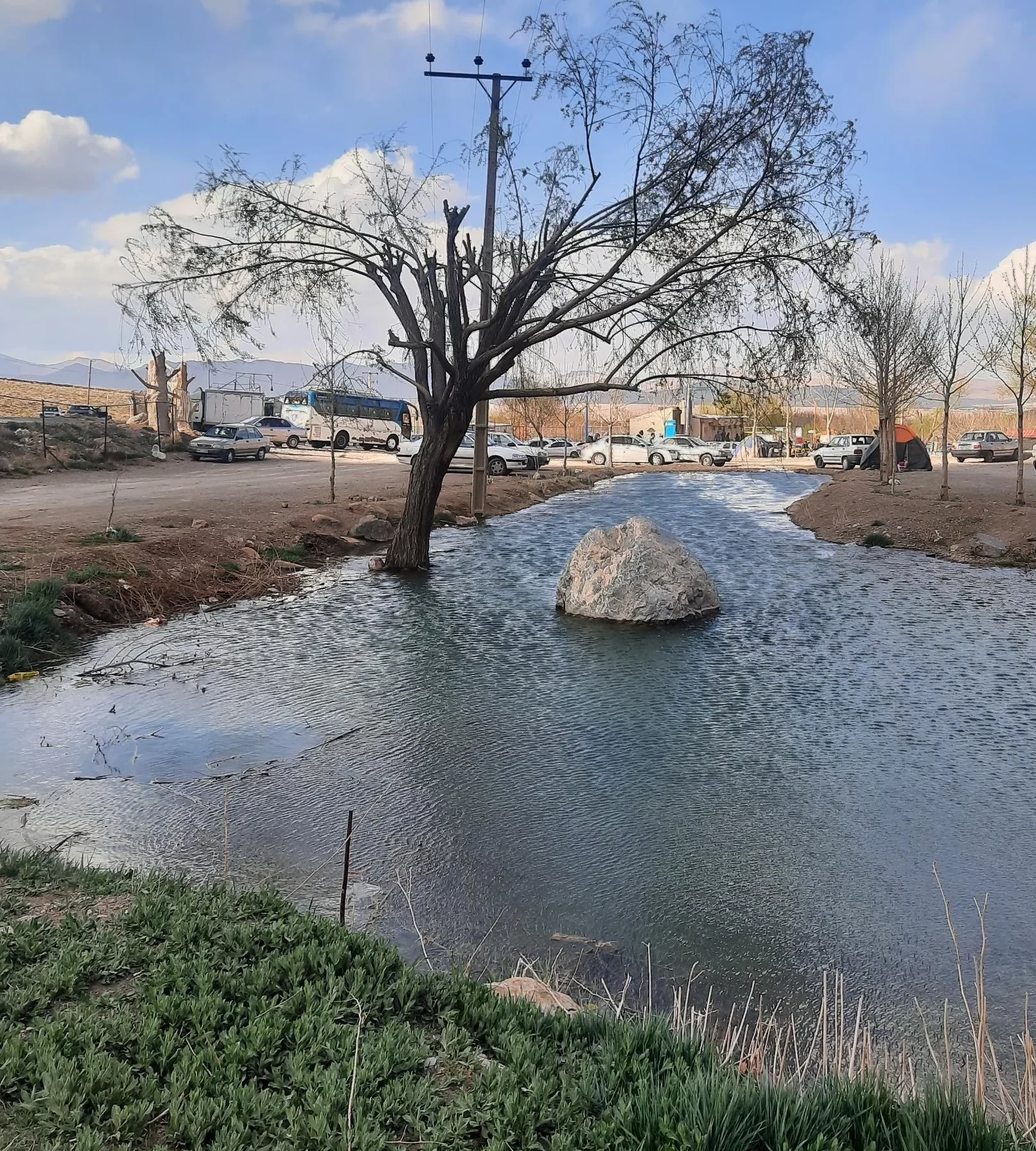
This spring is located in the entrance of Dalanko Tiran, which water is supplied by the melting of the permanent snow of the mountain, which is full of water and clear in the seasons.
Morghab spring is one of the best and most beautiful tourist attractions of Isfahan and spring and summer are good times to visit this spectacular spring.
Kurd Olia Waterfall
Kurd Olia Waterfall
The last word
Waterfalls are one of the main places of tourist attraction around the world, and Isfahan has several waterfalls, each with its own beauty, and the Kurd Olia Waterfall is one of these natural monuments in this city, which we are familiar with in this article.
If you are planning to travel to Isfahan, it is recommended that you visit this unique waterfall and share your feelings and experience with us by seeing those pristine natural landscapes. Thank you for your support.
Location: It is located 95 km west of Isfahan, north of Kurd Olia village in the Tiran and Kron county, situated within the Dalankooh mountain heights.
When is the best time to visit this waterfall?
Since it is a seasonal waterfall, the best time to visit is during the first half of spring (April and May) when the water volume is at its peak due to melting snow. It usually dries up in the summer.
What is unique about Kurd Olia Village?
Below this historical village lies one of the largest underground cities in the world. It is about 2,000 years old (dating back to the Parthian era) and was used for military, security, and shelter purposes.
What wildlife can be found in Ghomishloo National Park?
The park is home to various species such as wild rams and ewes, deer, wild goats, snakes, hawks, golden eagles, partridges, and tihu.
How high is Kurd Olia Waterfall and how was it formed?
The waterfall is approximately 50 meters high. Geologically, it was formed by water flowing over resistant rocks followed by soft rocks; erosion of the softer layers created the height difference and the waterfall.