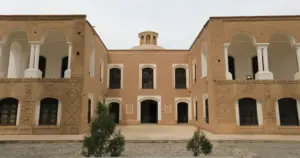
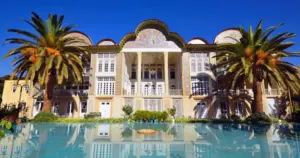
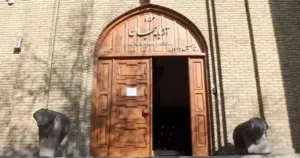
The city of Kerman has long been considered by the rulers due to its geographical location and size, and for this reason, in every step of this beautiful city, we see relics of the officials of this land. A history with a beautiful garden and two attractive museums that are considered important sights of Kerman, in the following we will learn more about the details of this collection, stay with us.
History and Introduction of Harandi Garden in Kerman
Many gardens have been built in Kerman since the Qajar period, and Harandi Garden is one of them. This garden was built in 1290 AH, which coincided with the Qajar period, in a place outside the city of Kerman by one of the military men of this city, named Mohammad Reza Khan Adl al-Sultan. This garden, which had an area of 25,000 square meters, was originally used for recreation and relaxation of the owners.
This garden was sold to a prominent Yazidi businessman living in Kerman named Abolghasem Harandi in 1313 at a price of 40,000 Tomans. From now on, this garden became Harandi’s place of residence. In the garden, she received political and military leaders and personalities of the country who were traveling to Kerman on a mission. The situation remained the same until 36 years later, the building and part of the garden were donated to the Ministry of Culture and Arts to be turned into a museum. After a while, the garden was completely bought by the Ministry of Culture and Arts. One of the national monuments of Iran was registered and made available to tourists as a museum garden.
The Transformation of Harandi Garden into a Museum Garden
The Cultural Heritage Organization started buying traditional tools to turn the garden into a museum from an early age, but the garden still did not look much like a museum. In fact, the first step in building a museum garden was taken when Professor Hossein Massoud Kermani, who was one of the last people to weave strings and was himself an employee of the Ministry of Culture and Arts, Announced, He wants to set up a museum of instrument makers in Kerman. The head of the organization at that time was Seyyed Mohammad Beheshti, who welcomed this proposal and spent about 160 million tomans on major repairs and renovations on the garden. Finally, in 1380, the museum garden was officially opened by the Ministry of Culture.
The Archaeological Museum at Harandi Garden
The central building of the garden also started its work in 1382 as the Archaeological Museum of Kerman. The museum encountered problems after its opening, but it was not long before officials resolved the problems and the museum reopened in 1383.
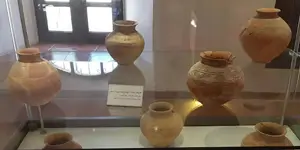
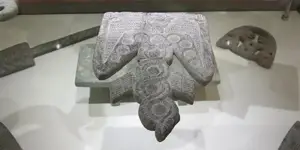
This Qajar house, which is now called the Museum Garden, has four pavilions in which there are artifacts discovered from pottery, stone, metal, glass and stone inscriptions of different centuries, including the Islamic era, which is a combination of Greek and Asian culture. Are central. Almost all of the historical artifacts kept in this museum have been received from Halilrood (Jiroft) and Shahdad basins.
Architecture and View of the Museum Garden
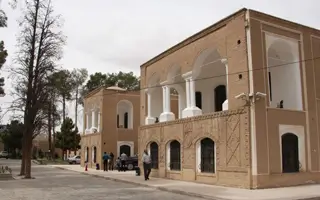
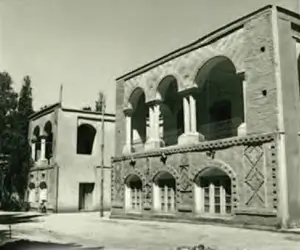
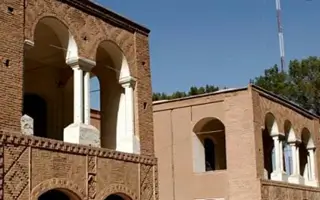
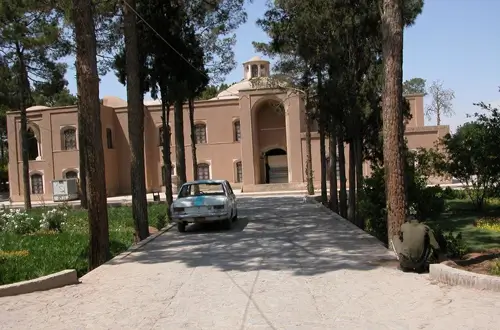
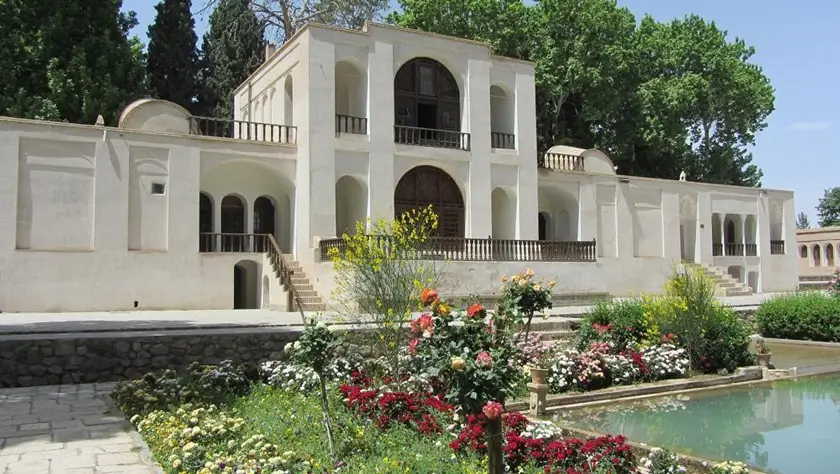
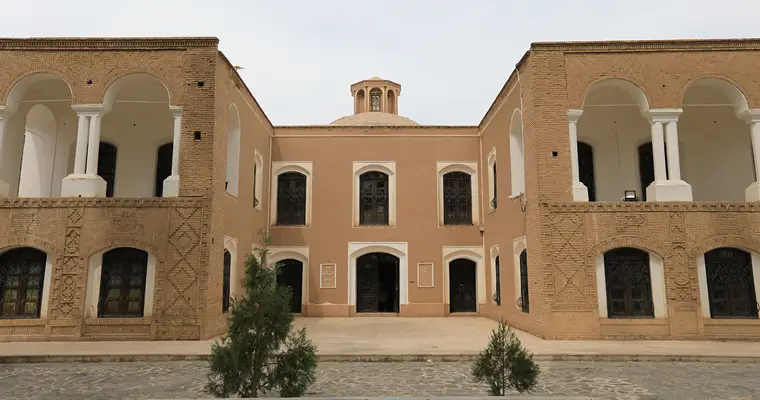
The plan to build the central building of the mansion was originally inspired by the son of Adl al-Sultan, the builder of Harandi Garden, from French structures and sent to his father, so the plan of this place is a mixture of Western plans and unique Iranian architecture. In the garden there are different sections such as indoor and outdoor building, bathroom, sleeping spring, crew rooms. Of course, in the past, there were places such as kitchens, stables and warehouses, which today have been turned into offices or destroyed. There were parts of the garden called cowboys that were used to irrigate the garden, all the equipment used for cowboys is still available on the west side of the garden.
The garden of the Harandi Museum is in every way a symbol of a full-fledged historical mansion, which became historically important due to Reza Shah’s stop on his last exile trip, has now been turned into a museum of traditional structures, each from a corner of Iran. If one day they open their mouths, the sound of their hearts will be heard.
The Enchanting Harandi Museum Garden
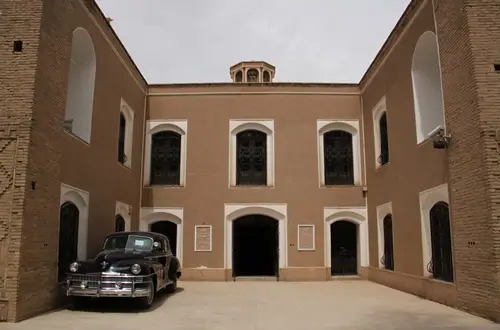
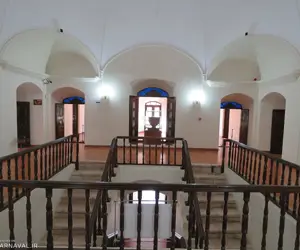
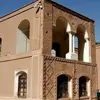
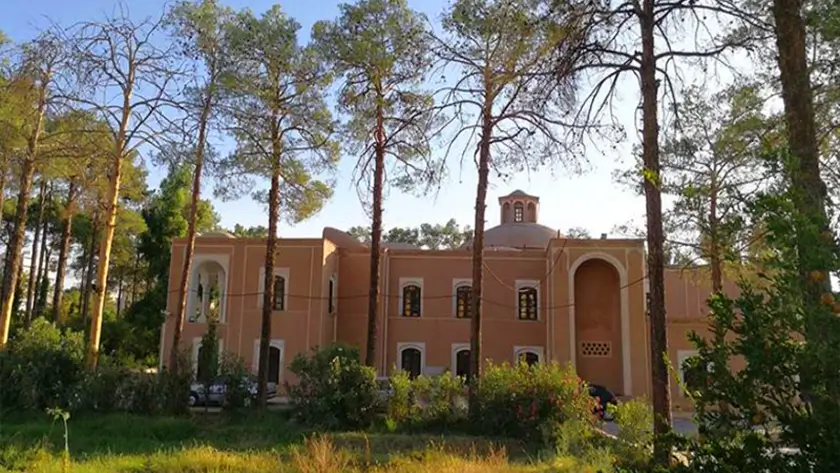
Throughout the Harandi garden, we see dense and fruitful pomegranate and pine trees, and a two-story mansion located in the center. The central building is built in the northern part of the garden and next to beautiful fountains and its approximate area is 2000 square meters. Harandi mansion has a dome-shaped roof with shallow depth. The floor material was originally a traditional and old brick paving, which is now with a modern ceramic pattern. In the center of the roof, there is a polygonal pergola, which in addition to its beautiful view also provides full ambient light.
At this time, the ground floor of the mansion has been turned into a museum of traditional instruments, and the upper floor has been turned into a museum in the field of archeology.
Harandi Garden Museum of Instruments
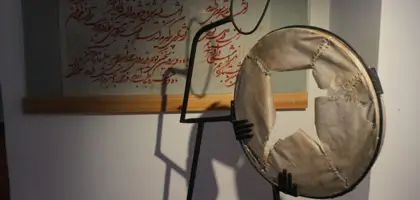
An interesting feature of the Harandi Garden Museum of Instruments is the sound system next to the showcases, which helps the visitor to get acquainted with how the instruments of each pavilion are played, as well as the sound of instruments played by great music masters. In addition to the section-making system, beautiful linear paintings and pictures of veterans and great masters of music and pleasant poems of original Iranian music can be seen next to the shop windows and on the wall.
Along with all this place, today it has become completely modern and there are information sections to provide audio and video services through software, hardware, internet and video services, so that people in this museum can easily study and research in the field of traditional music. Iran to pay.
Criticisms and Overview of Reza Shah Museum (Harandi)
The only objection to the Harandi Museum was not the English description of the works, images and documents in the museum, which is criticized by British tourists every year and has made them prefer the Isfahan Music Museum.
The Archaeological Museum in Harandi Garden aims to introduce the ancient civilizations of the southeastern region of Iran and its relationship with neighboring civilizations and consists of two general sections of the pre-Islamic and post-Islamic periods. This section includes several pavilions, each of which we will introduce in the following. the payment.
Shahdad Booth
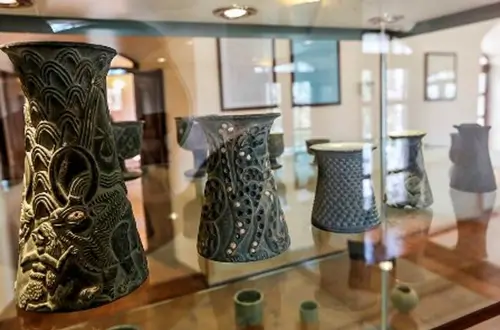
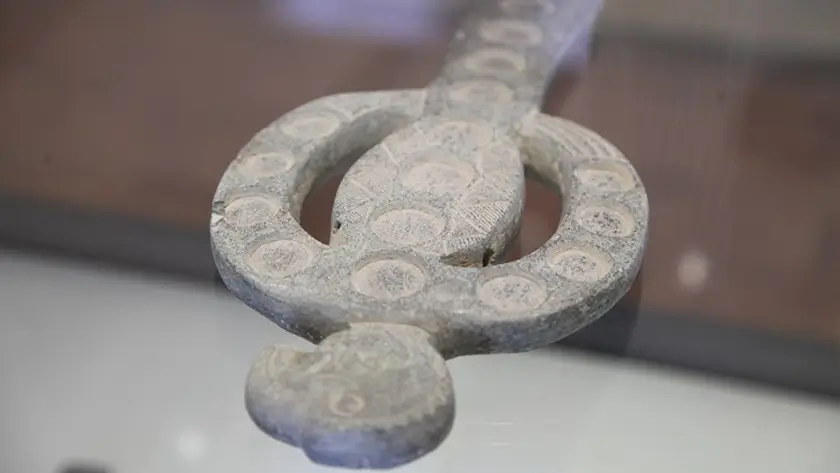
As the name of this pavilion shows, here are kept the archeological works discovered from Shahdad region, these works include all kinds of pottery, stone and metal (bronze) vessels. In this pavilion, very delicate necklaces and stone vessels similar to medicine can be seen, which are older than other works, dating back to the early second millennium and late third millennium BC.
Jazmourian Booth
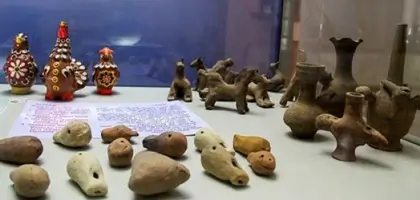
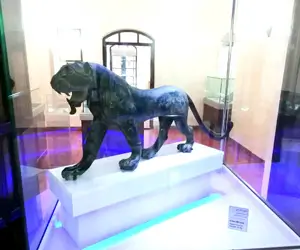
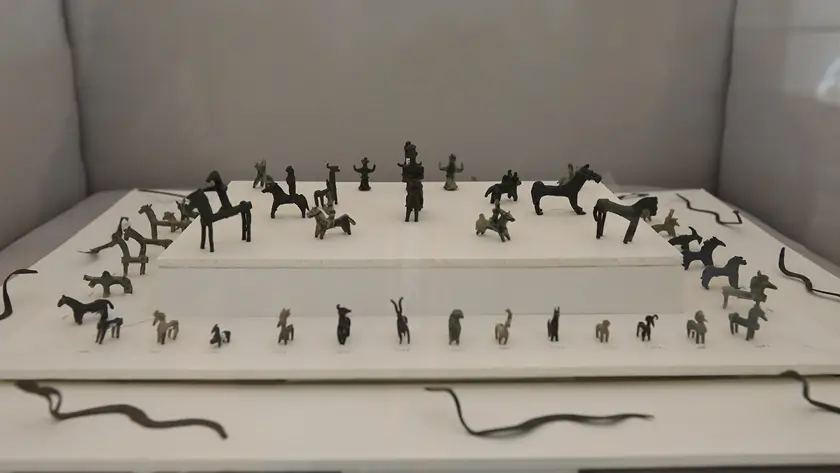
Jazmourian Pavilion of Harandi Garden consists of two parts: prehistoric and post-historical. The artifacts discovered from the prehistoric section of Jazmourian include pottery, jars, plates and various types of gray pottery that are very delicate and beautifully decorated in black. In this pavilion, we can see an example of an ax that has been discovered from the west of Jazmourian swamp. Also in the post-history part of this pavilion, we will see important works such as pottery, plates, jars and animal heads such as horses, rams, cows and human halves, which belong to the Seleucid and Parthian eras and have a mixed culture of Greek and Asian culture. Central, India, Central Plateau of Iran and Mesopotamia can be seen. One of the most famous works of this museum, which is located in this section, is Sorena, which belongs to the Achaemenid period.
Booth number four
In this pavilion, you can also see various pottery works that are decorated with beautiful patterns and paintings, as well as beautiful small bronze animals, these works have been found in Jiroft excavations, and the most important of them is the bronze vessels discovered in Bojanjan Baft.
Islamic Booth
This pavilion also welcomes tasteful tourists interested in Islamic archeology with glass and metal objects such as refractory vessels and perfumes and stone inscriptions related to the Islamic era. It is interesting to know that the capital of Persepolis, which was stolen by antiquities smugglers, also This pavilion was kept but in 1385 it was returned to Persepolis by the Ministry of Culture and Arts.
Museum of Traditional Instruments of Harandi Garden
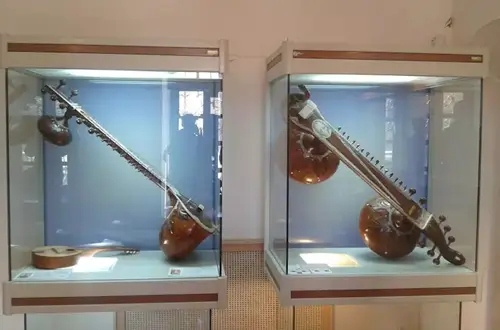
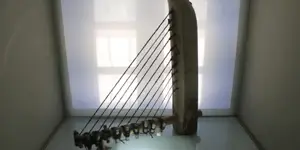
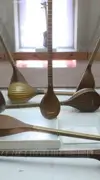
In the Museum of Traditional Instruments, 250 traditional instruments have a total of 32 showcases, of which five famous instruments of this museum have been made by Professor Hossein Massoud. Also, a number of instruments made by Master Nariman and a tonbak, which belongs to the Qajar period, as well as two instruments, which date back to 50 years ago, are among the works donated by Master Hossein Massoud to this museum.
Among the instruments in this museum, we can mention Gheechek, Santour, Qanun, Rabab, Tonbak, Tar, Daireh, Kamancheh, Dotar Khorasan, Tanbur Kermanshah, Cheng, Kozak Bam, Ney, Barbat, Kasoureh Khuzestan, etc. And Iranian songs have been shown
Harandi Garden
Harandi Garden
Harandi Garden
Harandi Garden
Harandi Garden
Harandi Museum
Harandi Museum
Harandi Museum
Spectacular attractions around Harandi Garden
There are many tourist attractions around the garden of Harandi Museum, including Ganjali Khan Complex with a distance of 2.4 km and Yakhodan Zarisaf with a distance of 5 km and Dokhtar Castle and Ajdar Castle with a distance of 4.3 km, which are also worth visiting.
The last word
Now that we have reached the end of our literary journey, I ask all of you friends who accompanied Hello Trippers on this journey. If you are interested in musical instruments, be sure to visit this beautiful and artistic attraction once and get acquainted with the original culture of Iranian music. Get to know and share your opinions and experiences with us.
The Harandi Garden Museum is a historical garden and museum complex located in Kerman, Iran, known for its beautiful gardens and cultural exhibitions.
Where is the Harandi Garden Museum located?
The museum is located in the city of Kerman, in the southeastern part of Iran.
When was the Harandi Garden established?
Harandi Garden was established during the late Qajar period in the early 20th century.
What can visitors see at the Harandi Garden Museum?
Visitors can explore the beautiful gardens, historic buildings, and museum exhibitions that include archaeological artifacts, ethnographic displays, and musical instruments.
What is the significance of the Harandi Garden Museum?
The Harandi Garden Museum is significant for its combination of historical architecture, lush gardens, and cultural exhibits, offering a glimpse into the region’s heritage.
Who built the Harandi Garden?
The garden was built by Mohammad Reza Khan Adl-ol-Molk, a notable figure in Kerman during the late Qajar period.
What are the main attractions in the Harandi Garden Museum?
The main attractions include the traditional Persian garden, the museum of archaeology, the ethnographic museum, and the museum of traditional musical instruments.
What are the opening hours of the Harandi Garden Museum?
The museum is typically open from 9 AM to 5 PM, Saturday through Thursday. It is usually closed on Fridays and public holidays.
Is there an entry fee for the Harandi Garden Museum?
Yes, there is an entry fee for visitors, which may vary for local and international visitors.
Are guided tours available at the Harandi Garden Museum?
Yes, guided tours are available, providing detailed information about the history of the garden, the exhibits, and the cultural significance of the museum’s collections. It’s recommended to book tours in advance.